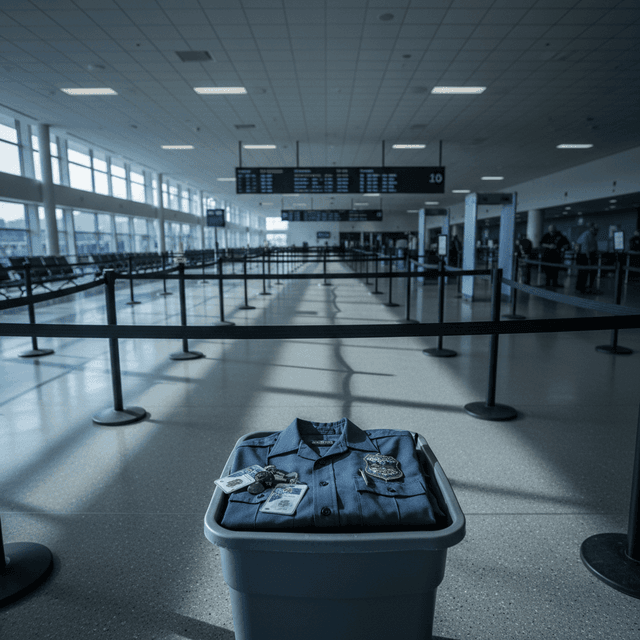
Inside the U.S. Diplomatic Response to the Oman Evacuation Order now.
Editorial Desk
March 15, 2026
An analysis of how U.S. diplomatic missions adapt operationally to abrupt security evacuations, focusing on protocol and continuity challenges in Oman.
Inside the U.S. Diplomatic Response to the Oman Evacuation Order
The U.S. government’s sudden directive to evacuate non-emergency employees from Oman has forced embassy leadership in Muscat to rapidly implement contingency plans. The move, which comes amid unspecified security threats, highlights the operational challenges U.S. diplomatic missions face in volatile regions.
With immediate effect, normal diplomatic functions have been disrupted as staff reductions take hold. Embassy and consular leadership are tasked with ensuring continuity of essential services while balancing personnel safety. The crisis has triggered protocols for downsizing, including coordination with host country authorities and reviews of administrative work that can be maintained remotely or with minimal staff. Past evacuations in the region have shown the importance of clear communication and flexible planning to minimize disruptions to U.S. interests and services.
Diplomatic adaptation in such scenarios requires rapid reassessment of priorities and resources. The State Department’s decision reflects a high-risk environment, where the safety of American personnel must be weighed against ongoing diplomatic engagement. These adjustments often affect negotiations and regional cooperation, as embassy leaders must maintain lines of communication with both U.S. and Omani officials under heightened uncertainty.
The impact is felt not only in immediate operational slowdowns but also in the broader context of U.S. presence in the Middle East. The effectiveness of contingency planning and the ability to adapt in real-time are critical for maintaining U.S. influence and credibility in the region. As history shows, embassies that can pivot quickly are better positioned to resume full operations when security conditions allow.
Going forward, embassy leadership will continue monitoring risks, refining protocols, and preparing for further escalation or eventual normalization. The Oman experience may serve as a template for other missions facing similar threats in unstable environments.