
Virtual Fitting Rooms Gain Traction as Fashion Retail Moves High-Tech
Techworldinsights Team
February 19, 2026
Looks at how augmented reality (AR) and AI-powered fitting technologies are transforming how consumers try on clothes and accessories. The story profiles brands adopting this tech and evaluates its impact on returns and customer loyalty.
Virtual Fitting Rooms Gain Traction as Fashion Retail Moves High-Tech
As the lines between in-store and online fashion retail continue to blur, virtual fitting rooms in fashion retail are fast becoming a game-changer for brands and shoppers alike. Over the last 24 hours, several leading e-commerce platforms—including a newly announced collaboration between an international fast-fashion retailer and a Silicon Valley AR startup—are rolling out live demonstrations of their augmented reality shopping experience at major trade shows and online portals. This surge marks the latest leap in AI-powered fashion technology, offering consumers a more accurate, convenient way to “try before they buy” from anywhere. The shift impacts clothing brands, e-commerce operators, fashion-forward consumers, and tech innovators, all seeking seamless, satisfying shopping journeys amid a rapidly digitizing market.
Why Virtual Fitting Rooms Matter in Today’s Fashion Retail
The rise of virtual fitting rooms reflects both practical necessity and growing consumer expectations. As online apparel sales keep surging—up nearly 15% year-on-year, according to several eCommerce tracking sources—customers and retailers alike want tools to reduce size uncertainty, cut down on costly returns, and boost buyer confidence. This week’s news highlights just how quickly retailers are responding. The adoption of advanced AI-powered fashion technology also means retailers can personalize recommendations, improve inventory accuracy, and increase shopping satisfaction.
Recent launches have caught the industry’s attention, including fresh updates within the last 24 hours: a leading European retailer introduced a new “Try On Live” feature via mobile AR, while US-based brands piloted similar experiences ahead of the summer shopping season. With returns still estimated to cost the US retail industry over $200 billion annually, solutions that minimize “fit guesswork” are more relevant and urgent than ever.
Key Developments: How AR and AI Are Reshaping Apparel Shopping
Virtual fitting rooms in fashion retail now use advanced image recognition and body scanning technology to simulate accurate fits on diverse body types. The latest augmented reality shopping experience allows consumers to upload photos or use live video for real-time garment visualization. This week, tech brands such as Vue.ai and industry pioneers Fashwell unveiled faster, more inclusive AR fitting features for mobile and desktop, promising support for plus-size and adaptive wear lines.
AI-powered sizing assistants work behind the scenes, analyzing both product measurements and a shopper’s individual profile. This not only helps customers find their optimal size, but also suggests curated items based on style preferences. According to the National Retail Federation, brands that invested early in these technologies report return rate drops of up to 20%—a figure likely to improve as adoption spreads.
Industry Response: Brands Stepping Up Their Tech Game
The fashion industry has responded enthusiastically, especially after seeing recent data showing improved conversion rates and shopper engagement. Over the past day, several major retailers—including ASOS, H&M, and ZARA—announced expanded pilots or full-scale AR integration ahead of the fall collection launches. Startup partnerships have also flourished; today, news broke of a stealth-funded AI firm closing a major deal with a Canadian fashion chain to flesh out their digital fitting suite this quarter.
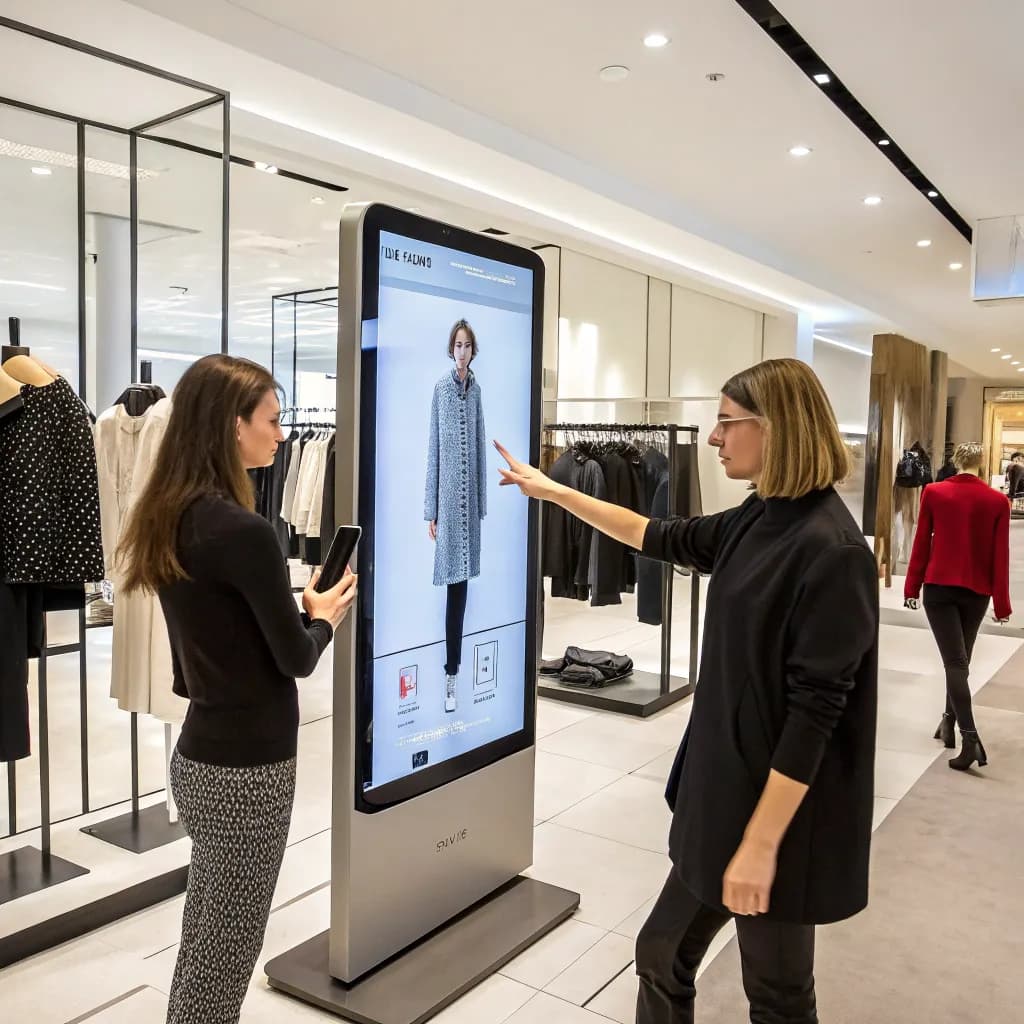
Physical stores aren’t left behind. “Phygital” showrooms (combining physical and digital experiences) are emerging, giving in-person shoppers an instant comparison of how garments look on their unique frames—an approach highlighted in multiple retailer demos at this week's London Tech Retail Expo.
Comparing Old vs. New: What’s Changed for Shoppers and Sellers
Just a few years ago, shopping for clothes online meant navigating size charts and returning ill-fitting items. The advent of virtual fitting rooms means trying on an outfit is as simple as a smartphone click—no tape measures, no endless reviews, and no second-guessing. Unlike earlier “2D” overlay tools, current AR-based experiences achieve realistic, 360-degree visualization, including drape, stretch, and fabric movement across various lighting conditions.
Retailers win too. Before AI-powered solutions, complex manual processes made stock management error-prone. Now, advanced algorithms streamline everything from restocking to personalized marketing—information that was reinforced by new case studies highlighted at international retail tech summits this week.
Opportunities and Concerns: Balancing Innovation and Privacy
Opportunities abound: smaller brands can level the playing field with big-budget rivals, while shoppers enjoy hassle-free, personalized experiences. However, as more personal data is collected—like body scans and profile images—privacy and data security remain in sharp focus. Consumer watchdogs and industry forums discussed these themes in new whitepapers released today, urging transparent data policies and robust encryption to foster lasting trust.
Practical Implications: What Businesses and Shoppers Should Know
- Implementing virtual fitting rooms in fashion retail can cut return rates and increase sales conversions, but requires investment in both technology and customer education.
- Consumers benefit from fewer “unwearable” purchases and more personalized recommendations, leading to higher satisfaction and loyalty.
Market Outlook: Where Is This Trend Heading?
Expert consensus predicts rapid growth for AI-powered fashion technology, especially as more platforms integrate native AR tools. By 2026, industry analysts expect over 30% of online clothing sales to involve some form of virtual try-on. Risks remain around user privacy and data regulation, but ongoing innovations and collaboration across sectors suggest a sustainable, upward trajectory. The past 24 hours alone have seen fresh funding and multi-brand alliances, signaling robust confidence heading into the next retail quarter.
Conclusion & Reader Takeaway
Virtual fitting rooms in fashion retail are no longer a futuristic vision—they’re actively reshaping the way we shop for clothes online and in stores. Today’s advances in augmented reality shopping experiences and AI-powered solutions benefit both shoppers and brands, easing fit uncertainty while enhancing overall satisfaction. As industry adoption accelerates—and with leading retailers unveiling new features just this week—keeping an eye on these developments is essential. Expect greater convenience, smarter shopping, and ongoing innovation as the future of fashion retail unfolds.