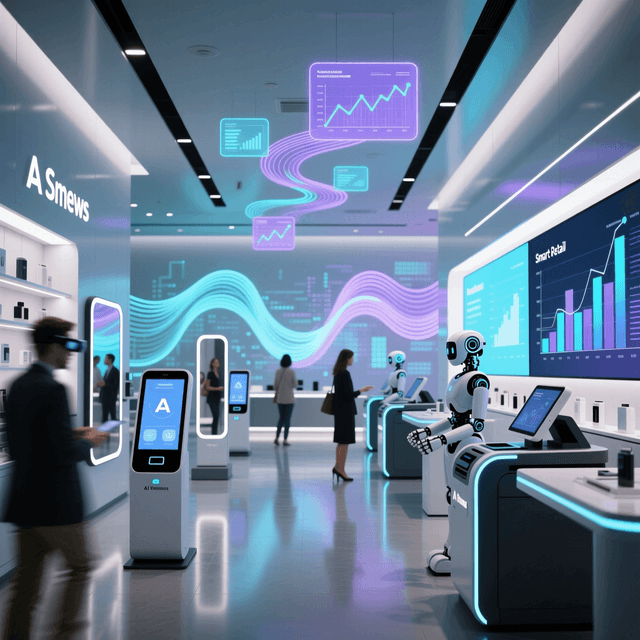

Why Retailers Are Investing in Smart Checkout: The Race to Eliminate Lines and Wait Times
Techworldinsights Team
January 29, 2026
Examines the growing trend of automated and contactless checkout systems. The story reveals how top retailers are embracing this technology to boost customer satisfaction and stay ahead in a competitive to market.
Smart checkout systems in retail are making headlines once again as top brands double down on automated checkout technology to redefine the shopping experience. In just the past 24 hours, retail giants like Walmart and European supermarket chain Carrefour have unveiled pilot programs deploying advanced self-checkout kiosks and frictionless payment solutions. This surge in innovation comes as physical retailers, facing intense competition from e-commerce and post-pandemic shifts in consumer expectations, look to eliminate frustrating lines and speed up transactions. For store owners, suppliers, and everyday shoppers, these rapid changes could transform not just how people pay, but the very future of brick-and-mortar shopping.
Why It Matters
The adoption of smart checkout systems in retail isn’t just about convenience—it’s a response to changing buyer behaviors and operational challenges. Shoppers, now more accustomed to online carts and one-click transactions, are demanding similar speed and simplicity in physical stores. Meanwhile, labor shortages and cost pressures are pushing retailers to seek efficient solutions that keep stores running smoothly. In the last 24 hours, news of a major U.K. grocer expanding its cashierless lanes shows that these changes are not a fleeting trend, but a critical step forward. With contactless payment solutions gaining traction, the race to reduce wait times is redefining what customers expect from in-person shopping.
The Rise of Automated Checkout Technology
Automated checkout technology has evolved rapidly over the past few years—from basic self-scan kiosks to sophisticated AI-driven systems capable of tracking items as they’re placed in bags. In the latest move, Walmart’s U.S. stores announced a rollout of computer-vision-powered checkouts in select locations, a shift that echoes Amazon’s “Just Walk Out” stores but aims to combine speed with accessibility for all retailers.
On the European front, Carrefour partnered with a leading fintech startup to begin piloting a full-store “scan and go” solution in Paris, allowing shoppers to use their smartphones to scan products and pay as they shop—no waiting, no cashiers. These systems not only streamline transactions but also provide valuable data for inventory and customer engagement, marking a leap beyond traditional self-checkout trends from previous years.
Industry Response: Adapting to New Realities
Retailers are responding to customer demand and operational pressure by investing heavily in store automation. According to a report released yesterday by the National Retail Federation, over 60% of major chains plan to increase spending on smart checkout systems by the end of 2024. This comes as contactless payment solutions, such as Apple Pay and Google Wallet, hit record adoption rates across North America and Europe.
Industry leaders see these investments as critical for retaining loyalty in a fast-moving market. Smaller retailers are also exploring scalable options, from compact kiosks to mobile checkout via employees, aiming to match the frictionless experience customers now expect. Compared to earlier waves of retail store automation trends—focused mostly on efficiency at the register—today’s strategies blend operational needs with a focus on boosting customer satisfaction and gathering real-time analytics.
Opportunities and Concerns with Smart Checkout Systems in Retail
The potential upsides are significant. Faster checkouts mean higher throughput during peak hours, reduced labor demands, and better use of valuable store space. Data from retailers investing in automated checkout technology points to a 15–30% reduction in transaction times and increased customer return rates. For e-commerce-inspired brick-and-mortar experiences, these changes reflect a blending of online and physical retail expectations.
Yet, there are concerns. A customer survey published this morning shows that while most shoppers appreciate the speed, some worry about the loss of human interaction and technical hiccups that can cause frustration. Retailers are now balancing automation with personalized service, experimenting with hybrid models where staff can assist or intervene as needed. Privacy and data security—especially regarding payment and purchase data—continue to be a focus as checkout systems become more sophisticated and interconnected.
Latest Developments: Past 24 Hours in Focus
In the last day alone, several notable industry moves underscore the momentum of this technology shift:
- Walmart confirmed it will expand its computer-vision checkout trials to 20 more stores after positive early feedback.
- A leading U.K. grocery chain launched upgraded “tap to check out” lanes, supported by AI, to improve accessibility for older shoppers and those less tech-savvy.
- Payments technology company Square debuted a new integration for small retailers, allowing seamless merging of in-store and online checkout data, bridging e-commerce with physical retail.
These moves highlight how rapidly the market is moving and how retailers of all sizes are eager to harness the dual benefits of customer satisfaction and operational efficiency.
What It Means for Retailers and Customers
For businesses and consumers alike, the practical implications are clear:
- Faster, more convenient checkout experiences are quickly becoming the norm, not the exception.
- Retailers adopting automated checkout technology can reduce wait times, free up staff for service roles, and gain valuable data insights.
Keeping pace with these retail store automation trends is now essential for both staying competitive and meeting evolving customer expectations.
Market and Industry Outlook
Market analysts agree that the momentum around smart checkout systems in retail isn’t slowing down. As technology matures, more affordable solutions will empower even smaller retailers to upgrade their checkout infrastructure. Risks such as privacy concerns, technical challenges, and the need for ongoing staff support remain, but the growth trajectory is strong. Experts forecast a 20% annual increase in global investment in automated checkout technology through 2025.
Looking ahead, the convergence of physical and digital retail will likely deepen, with more stores integrating contactless payment solutions and advanced analytics to drive personalized experiences both in-store and online.
Conclusion & Reader Takeaway
The retail world’s push toward smart checkout systems is gaining urgent new energy, as evidenced by high-profile announcements and pilot programs surfacing in just the last 24 hours. For retailers, this is no longer a futuristic concept, but a pressing strategy for boosting shopper satisfaction, driving efficiency, and remaining relevant amid e-commerce competition. For consumers, the days of long lines and extended wait times may soon be a thing of the past. As the technology and market continue to evolve, it will be crucial for businesses and buyers alike to stay informed, weigh the benefits and challenges, and embrace this rapidly changing landscape.