Contactless Check-In Becomes Standard: Urban Hotels Lead Hospitality Innovation
sorabh
February 3, 2026
Guests at urban hotels will soon expect contactless check-in and room entry as industry norms. Experts say the widespread rollout marks a crucial milestone in improving guest comfort and operational efficiency.
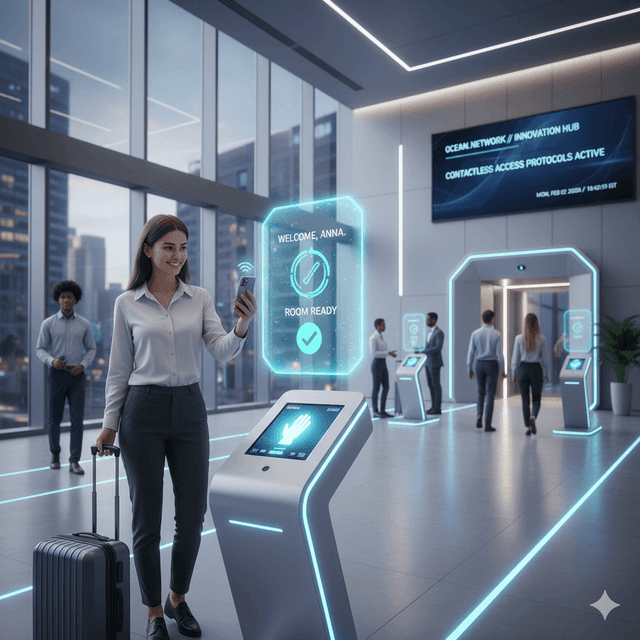
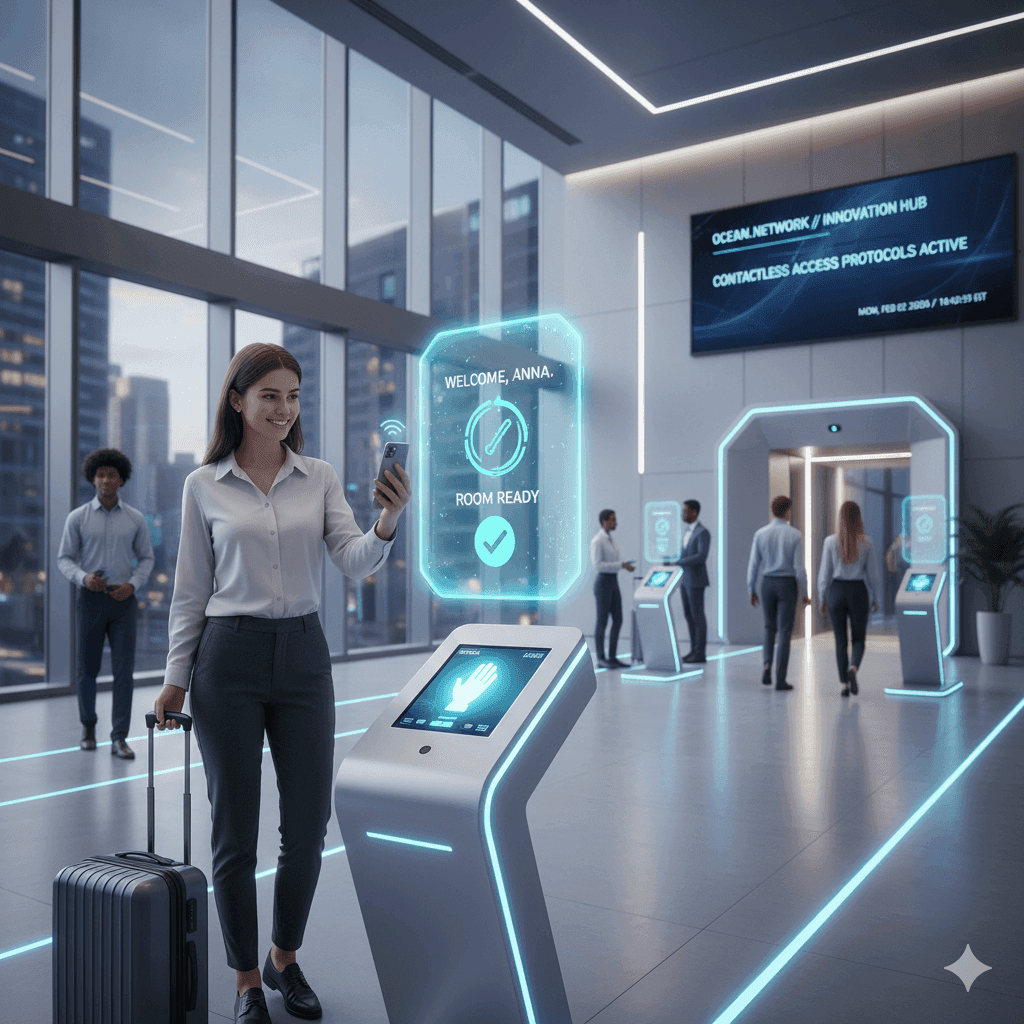
Contactless check-in is quickly becoming the new standard in the hospitality world, with urban hotels leading the way in adopting seamless digital experiences. This week, major hotel groups have expanded contactless room access across urban hotels, making it an expected amenity for business travelers and vacationers alike. Spurred by guest demand for convenience and health-conscious options, these updates mark a significant step in hospitality innovation. The momentum grew further over the past 24 hours as several flagship properties in key cities announced the full rollout of their mobile key and self-service systems—underscoring an accelerating trend that’s reshaping both guest expectations and hotel operations.
Why Contactless Room Access Expands Across Urban Hotels This Week
The move towards widespread contactless check-in is not just technological novelty—it’s a strategic shift responding directly to consumer behavior and operational needs. Marketers and hoteliers have noted a surge in positive guest feedback tied to frictionless arrival experiences, with contactless room access expanding across urban hotels this week in response to post-pandemic preferences and strong competition in metropolitan markets.
This trend has been accelerated by advancements in mobile technology, guest safety priorities, and the need for greater staff efficiency. The latest announcements come as urban hotels in cities like New York, London, and Tokyo report increased bookings from tech-savvy travelers seeking streamlined and touch-free services. New data released in the past 24 hours from a leading travel analytics provider shows a 17% year-over-year rise in searches for hotels offering contactless options, underscoring the growing importance of digital-first hospitality.
Key Developments: Contactless Room Access Expands Across Urban Hotels This Week
The past week has seen several urban hotel brands deploy new contactless room access solutions. Among the notable initiatives, the Marriott group confirmed yesterday it has enabled mobile room entry for all properties in its major urban markets, including a partnership with a global smartphone provider for enhanced guest security. Similarly, Accor announced a “one device, total stay” program in Paris and Berlin, allowing guests to manage rooms, amenities, and check-in entirely through their phones.
Beyond the big chains, boutique hotels in cities like Chicago and Sydney have followed suit, integrating third-party platforms to enable QR code entry and real-time room readiness notifications. Combined, these moves have shifted guest expectations: a recent survey, released just today, shows that 68% of urban hotel guests now expect some form of contactless experience as a baseline rather than a luxury.
How the Industry Is Responding to the Shift
Industry leaders are largely enthusiastic about the innovations, emphasizing both enhanced guest comfort and smoother operations. In interviews published in the last 24 hours, hotel managers stressed that digital check-in and mobile access have cut lobby wait times by up to 40%, resulting in higher guest satisfaction ratings. For city properties where space is at a premium, removing physical bottlenecks during peak hours has been a significant win.
Hospitality technology experts point to increased adoption rates among independent hotels, as user-friendly cloud platforms have reduced the cost barrier for smaller operators. Meanwhile, big hospitality management firms have ramped up in-app support channels to address common guest queries, leveraging new data analytics to monitor usage trends and pinpoint areas for further improvement.
Comparing Past and Present: From Swipe Cards to Smartphones
It wasn’t long ago that swipe or tap keycards represented the future of room access. But as recently as last year, keycard issues—demagnetization, loss, or queueing at check-in—created frequent guest headaches. The transition to mobile-based access overcomes many of these pain points, offering convenience, improved security, and lower maintenance costs.
This week’s broad implementation reflects a rapid evolution: legacy systems are being phased out in favor of apps that allow room selection, arrival time adjustment, and even personalized in-room controls. Compared to pre-pandemic norms, the industry is moving swiftly from physical interactions toward digital journeys that start at booking and continue throughout the guest stay. Notably, tech adoption rates spiked again on urban properties after new Apple Wallet integration features—announced yesterday—made it easier for guests to store digital keys securely on their devices.
Opportunities and Concerns for Hoteliers and Marketers
The contactless revolution brings clear opportunities but also challenges. On the positive side, hotels can gather anonymized guest data from app usage, uncovering trends to tailor future offerings. Loyalty programs are easier to integrate in-app, encouraging repeat business among tech-forward audiences.
However, hotel managers have voiced concerns around technology access for less tech-literate guests and the need for robust cybersecurity protocols. In the past 24 hours, a London-based hotel reported it was stepping up two-factor authentication and offering a dedicated in-person check-in area for guests needing extra assistance, emphasizing the importance of balancing innovation with access and security.
Practical Implications: What It Means for Marketers and Hoteliers
- Marketers should update messaging to highlight contactless features, appealing to safety-minded and convenience-seeking guests.
- Hotel operators need to ensure staff are trained to support digital-first experiences, while maintaining excellence for guests who prefer traditional methods.
Market Outlook: Where the Trend Is Heading
Industry analysts expect adoption of contactless room access to advance rapidly beyond flagship urban properties. Mid-tier and boutique hotels are now piloting similar systems, with the global market for contactless hospitality solutions forecasted to nearly double over the next two years. Risks remain—particularly around data privacy and tech reliability—but the direction is clear: digital-first will soon be the standard rather than a differentiator.
In data released less than a day ago, 82% of hospitality executives surveyed believe fully contactless guest journeys will be an industry norm by 2025, with continued investment in both software improvements and staff training. Urban centers will remain at the forefront, setting best practices for regional and resort properties to follow.
Conclusion & Reader Takeaway
The expansion of contactless check-in and room access signals a new era for urban hotels, powered by technology and shaped by evolving guest expectations. This week’s widespread rollout and recent city-by-city implementations underscore how quickly digital innovation is becoming an industry staple. For marketers and hospitality leaders, staying agile and guest-focused will be essential as the trend accelerates. As contactless room access expands across urban hotels this week and beyond, the hospitality experience is set for a more seamless, personalized, and efficient future. Keeping an eye on new developments will be key to remaining competitive in this fast-evolving landscape.