Inside the 2026 Smart Hotel: How AI-Powered Automation Is Redefining Luxury Stays
sorabh
February 2, 2026
An in-depth look at next-generation hotels leveraging AI and automation for hyper-personalized guest experiences, exploring new standards in check-in, room service, and on-demand amenities.
Imagine walking into a hotel in 2026, where the lobby greets you with tailored lighting, your check-in is done by a conversational AI, and your suite adjusts instantly to your mood. This is the reality as smart hotels embrace AI and automation to enhance guest experience in 2026, ushering in a new era of hyper-personalized luxury. This week, industry leaders at the International Hospitality Innovation Summit spotlighted an upswing in automated service adoption, following new government standards published just yesterday that enhance digital privacy for hotel guests. As hotels race to balance ultra-convenience with security, this transformation touches everyone from frequent business travelers to vacationing families, marking a pivotal shift in what guests expect from a luxury stay.
Why It Matters
The rapid evolution of smart hotels is not just a technological leap—it represents a profound change in how hospitality connects with guests. AI-powered automation has unlocked new layers of personalization: from facial-recognition room access to predictive, on-demand amenities. The sector's surge in AI use—accelerated by recent advancements in generative AI and robotics—aims to deliver smoother, safer, and more enjoyable stays. Yesterday’s release of stricter data protection guidelines is already shifting priorities for major hotel chains, spotlighting how innovation must align with privacy concerns. For working professionals who demand efficiency, comfort, and digital safety when traveling, these updates are especially valuable.
Redefining the Check-In Experience: AI at the Front Desk
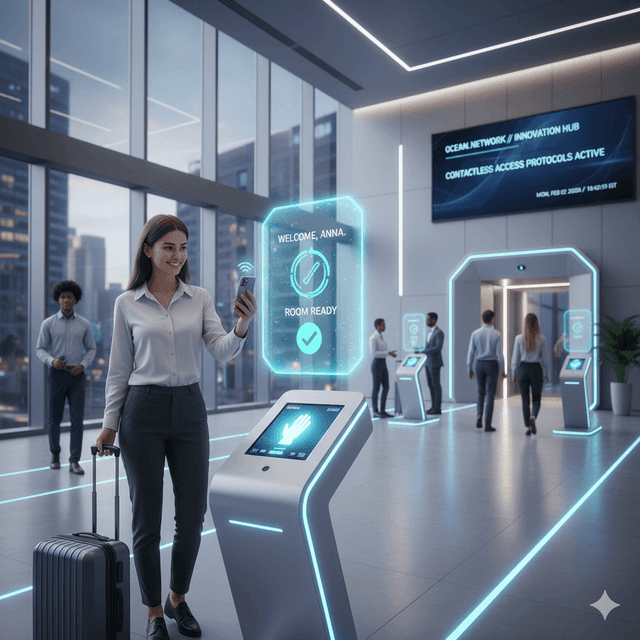
The days of crowded lobbies and paperwork-intensive check-ins are fading fast as smart hotels embrace AI and automation to enhance guest experience in 2026. Today’s AI-driven kiosks greet you, verify identification through secure biometrics, and adapt their approach based on your travel history. Earlier venues relied on contactless solutions rolled out during the pandemic, but now, conversational AI can anticipate preferred language settings and even suggest local dining spots based on past preferences.
In a notable development within the last 24 hours, Europe's largest hospitality operator announced plans to pilot voice-activated concierge systems in 50 flagship hotels by October, aiming to set a new benchmark for efficiency and personalization. This leap doesn’t just streamline arrivals; it opens doors for tailored experiences from the moment guests step inside.
Room Service Goes Robotic—and Predictive
Room service has undergone an extraordinary transformation. Previously, ordering extras meant dialing down to reception and waiting. Today, smart hotels are rolling out autonomous service robots and AI-driven apps that learn guest habits and anticipate needs. Consider the latest partnership unveiled yesterday between a global automation firm and a luxury hotel brand: robots now deliver amenities—everything from extra towels to dietary-specific snacks—directly to guest rooms, mapping the best route through hotel corridors for swift, discreet service.
What sets this new wave apart is predictive capability. Instead of merely responding, AI systems analyze a guest’s activity, schedule, and preferences to offer “just-in-time” recommendations. Forgot your gym shoes? The system may remind you well before your usual workout hour, offering a curated menu of replacement options with express delivery. This blend of automation and personalization is a marked upgrade from earlier technologies, which often felt detached and impersonal.
On-Demand Amenities and Ultra-Personalization
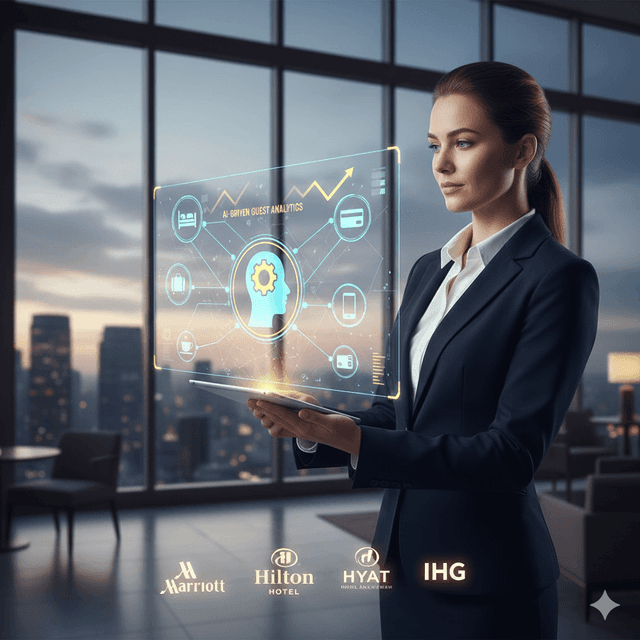
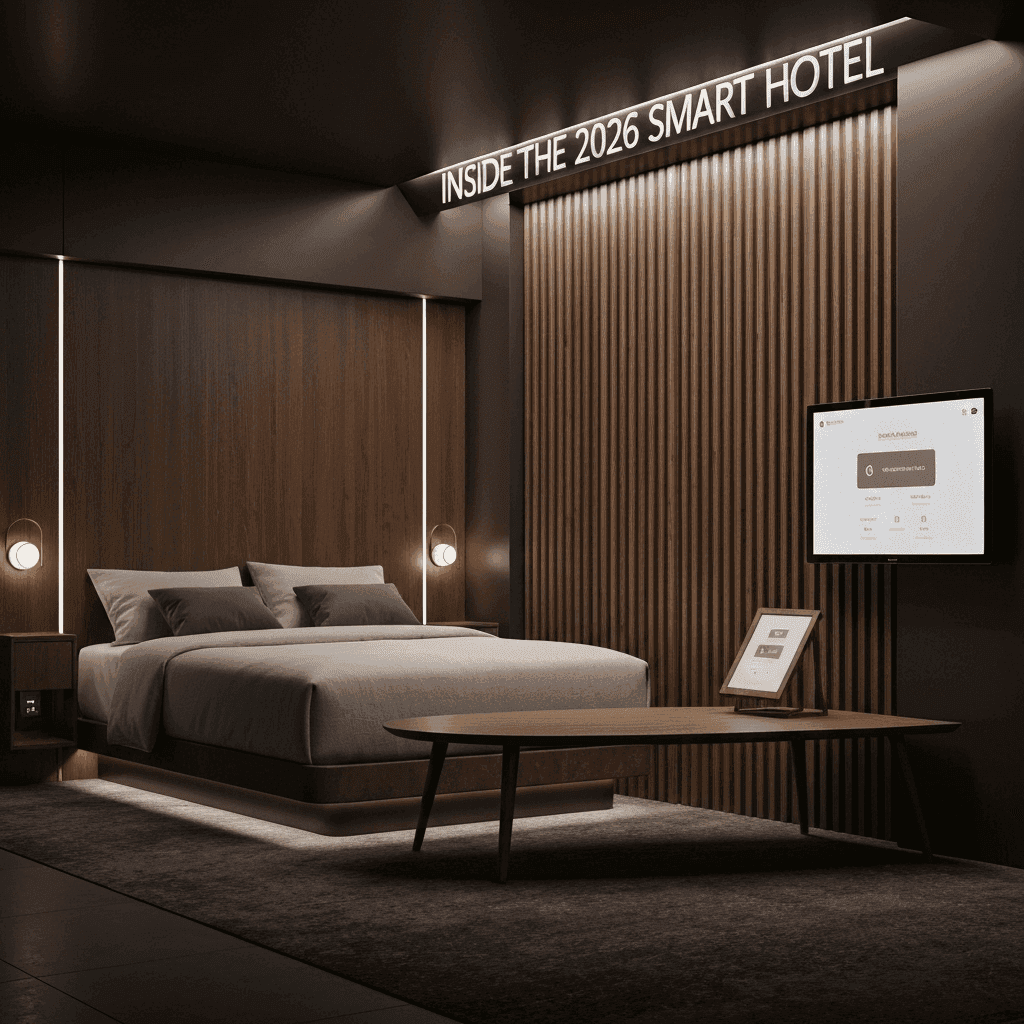
Smart hotels in 2026 use AI not only to respond to requests but to anticipate them. Last night’s announcement from a leading hotel operator detailed a new amenity suite featuring AI-enhanced climate control and mood lighting that adapts to the guest’s day—perfect for those returning from stressful meetings or late flights. On-demand spa treatments, personalized minibar selections, and even custom wellness routines are powered by real-time guest data, collected and processed securely following yesterday’s updated privacy standards.
The experience differs sharply from pre-pandemic luxury stays, where “personalization” typically meant remembering a guest’s favorite wine. Now, algorithms derive patterns from hundreds of data points, ensuring that every detail—from pillow firmness to preferred news briefings displayed on smart mirrors—matches individual needs, making guests feel uniquely at home.
Balancing Opportunity and Concern: Industry Response
As smart hotels race forward, industry leaders are paying close attention to both possibilities and pitfalls. The hospitality sector has rallied around yesterday’s new regulatory guidelines, promising transparent data practices and enhanced cybersecurity. In panel discussions at this morning’s Future of Hospitality conference, experts stressed that building trust through clear privacy controls will be critical if automation is to truly redefine luxury.
For smaller hotels, the technological investment remains a challenge, but vendors are launching turnkey AI platforms aimed at reducing integration cost and complexity. Meanwhile, major chains are recruiting “digital concierges”—human staff trained to oversee and fine-tune AI operations, blending high-tech with heartfelt service.
Practical Implications for Working Professionals
- Business travelers gain faster, more secure check-in and personalized in-room workspaces, saving valuable time.
- Remote workers can request tailored amenities—from ergonomic setups to healthy snacks—on-demand.
For frequent travelers, these innovations mean greater control over their environment and fewer interruptions, creating a smoother, more productive stay.
Market and Industry Outlook
With AI and automation setting entirely new standards, the hospitality sector is expected to see robust growth, especially in major business travel corridors. Experts anticipate a 20% jump in investment by next year as hotels compete to deliver the most seamless, personalized experiences. Risks remain: security concerns and tech adoption costs are top-of-mind, especially following yesterday’s privacy announcement. But forward-thinking chains are already working with regulators to build trustworthy, compliant solutions.
Smaller operators are focusing on niche offerings and collaborating with medical technology partners, providing AI-powered wellness and telehealth services for international guests—an intersection that’s gaining attention as travel resumes globally.
Conclusion & Reader Takeaway
The hospitality industry is being swiftly reshaped as smart hotels embrace AI and automation to enhance guest experience in 2026. From instant check-ins and robotic room service to AI-curated amenities, luxury stays are becoming smarter, safer, and deeply personalized. As new privacy guidelines drive better standards—and hotels race to adopt the latest tech—guests can expect their needs to be anticipated like never before. Stay tuned: with digital transformation accelerating, the definition of “luxury” is evolving, and informed travelers stand to reap the greatest rewards.