Hospitals Ramp Up Investment in IoT Health Devices to Close Post-Pandemic Care Gaps
sorabh
January 28, 2026
Major health systems are increasing budgets for remote monitoring solutions as they adapt to shifting patient care models post-COVID. The article explores which technologies are being prioritized and how they’re reshaping chronic disease management.
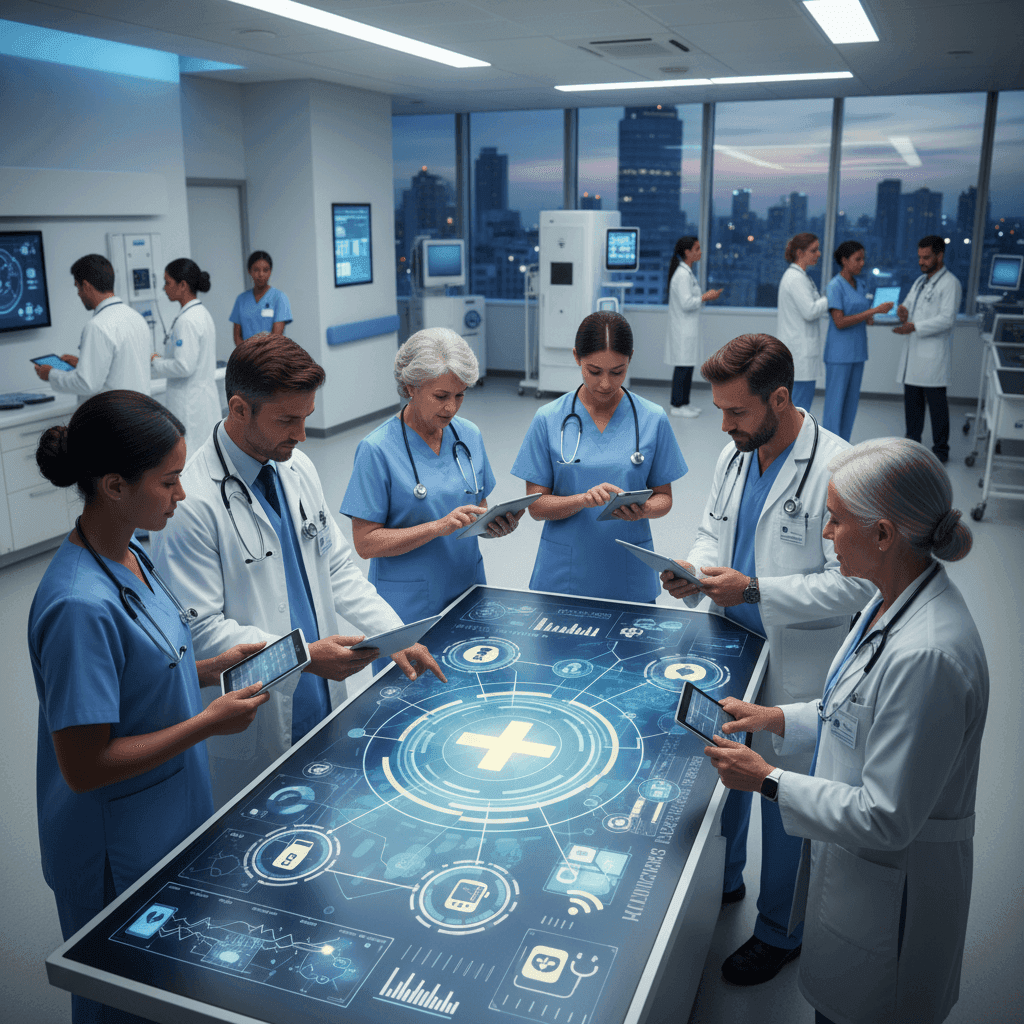
As hospitals across the United States and beyond transition past the acute phase of the COVID-19 pandemic, a new wave of investment is reshaping patient care. Major health systems are ramping up budgets dedicated to remote patient monitoring and IoT health devices, aiming to close persistent post-pandemic care gaps and better manage chronic conditions. This renewed focus, highlighted by fresh announcements of multi-million-dollar technology rollouts made by several top providers just yesterday, illustrates a clear shift in priorities as digital health tools become essential—not just optional—for modern medical care. The impact reaches patients with chronic illnesses, clinicians seeking real-time data, and administrators looking to streamline workflows in an evolving healthcare landscape.
Why It Matters: Unpacking the Surge in Remote Patient Monitoring and IoT Health Devices
The growing adoption of remote patient monitoring and IoT health devices is not just about technological progress—it’s about solving real, human challenges. As care increasingly extends beyond hospital walls, these tools foster stronger patient-provider connections, deliver better outcomes for chronic disease management, and help bridge gaps intensified by pandemic-era disruptions. The urgency has been underscored in the last 24 hours by industry leaders, including reports from the American Hospital Association and new funding for digital health startups, showing record growth in telehealth and home monitoring investments this quarter.
For millions living with heart disease, diabetes, or respiratory conditions, continuous remote monitoring offers a lifeline—delivering data-driven interventions before complications become emergencies. For hospitals, these investments mean the ability to manage larger patient populations more safely and efficiently, particularly as staff shortages and increased care demands persist nationwide.
Key Developments: Hospitals Double Down on IoT Health Device Strategies
This week, several major hospital networks—including Cleveland Clinic and CommonSpirit Health—announced new partnerships with technology firms to expand their remote patient monitoring infrastructure. According to a release published yesterday, these organizations are piloting wearable cardiac sensors, Bluetooth-enabled blood pressure cuffs, and AI-powered platforms that track patient metrics around the clock.
The focus is not only on acute post-discharge monitoring but also long-term disease management. The Mayo Clinic, for example, launched an updated suite of IoT-connected devices on Wednesday that integrate directly with electronic health records (EHRs), enabling real-time alerting to care teams if a patient’s vitals breach preset thresholds. This level of integration marks a significant leap from pre-pandemic efforts that were often fragmented or experimental.
Global suppliers are also taking note. According to new sales data from MedTech Europe, the European region saw a 19% uptick in orders for remote patient monitoring and IoT health devices in just the past month. These trends, experts believe, reflect a lasting pivot toward hybrid and home-based care models accelerated in recent days by ongoing policy moves and increased insurer reimbursement for digital health technologies.
Industry Response: New Collaborations and Training Initiatives
Health systems are quickly adapting to ensure staff and patients are ready for this digital transformation. Yesterday, the American Nurses Association announced new training modules to help frontline clinicians deploy and interpret data from remote monitoring. Hospitals are rolling out patient education sessions, recognizing that a device in every home is useful only if it’s actually used and understood.
Some hospital executives, speaking at the HIMSS Digital Health event this week, emphasized the importance of robust technical support and collaboration with device manufacturers. Ergonomic design, user-friendly interfaces, and reliable connectivity are rising priorities to support patients across age groups and tech comfort levels.
While not every patient will transition to full-time remote monitoring, the industry’s rapid adjustments—as seen in investments publicized in the past 24 hours by Ascension and Intermountain Healthcare—signify a broad, inclusive push to modernize care delivery for all.
Comparisons with Previous Trends: A Leap from Niche to Norm
Before 2020, remote patient monitoring and IoT health devices were often seen as niche solutions, largely piloted by tech-forward institutions or used for select cardiac and diabetes programs. The pandemic changed that—accelerating adoption out of necessity and forcing swift regulatory and insurance adaptations.
Recent data from the Centers for Medicare & Medicaid Services confirms that usage has not only persisted since COVID’s peak but ramped up further this spring, driven by expanded reimbursement and a new generation of devices that offer improved accuracy and patient comfort.
A telling comparison: today’s hospital investments are less about “testing the waters” and more about deep, systemic integration. Multi-year contracts announced this week reflect a belief that remote monitoring is now foundational, not peripheral, to best-practice patient care.
Opportunities and Concerns: Navigating the New Digital Health Era
There are clear upsides to this investment surge. Hospitals can intervene earlier, reduce costly readmissions, and connect with underserved populations. However, challenges remain—including data privacy concerns, device interoperability, and the need for ongoing patient engagement.
Industry leaders speaking at the virtual Digital Health Leadership Summit yesterday highlighted best practices: clear data governance, standardized device protocols, and active engagement with patients about the benefits and limits of remote monitoring.
The rise in ransomware attacks on health data this year has also raised the stakes for cybersecurity, making vendor selection and IT strategy as important as the devices themselves.
Practical Implications: What This Means for Hospitals and Patients
- Hospitals need strategic plans for integrating remote patient monitoring and IoT health devices into daily care workflows, ensuring both patients and staff understand how to use these tools.
- Patients can expect more opportunities for at-home health management, but should seek guidance and support to make use of new devices effectively and safely.
Market & Industry Outlook: Growth, Risks, and the Road Ahead
Industry analysts expect investment in remote patient monitoring and IoT health devices to keep rising, especially as insurers and policymakers reinforce the trend with supportive regulations and payment models. Market research issued yesterday by HealthTech Insights projects a 14% annual growth rate for remote care technologies through 2027.
Risks remain—most notably cybersecurity threats, gaps in technology access for rural or low-income patients, and evolving regulatory standards. But overall, the sector appears poised for steady expansion as digital integration becomes both an expectation and a competitive necessity.
In summary, hospitals are embracing remote patient monitoring and IoT health devices at an unprecedented pace, aiming to close the care gaps brought into sharp focus during the pandemic. From real-time health tracking to empowering patients at home, this new wave of investment is set to transform chronic disease management and everyday healthcare alike. As these technologies evolve, staying informed—and adaptable—will be key for everyone navigating the new era of connected care.