Medical Technology’s Latest Issue Dives Into Automation and Its Discontents in Medtech
sorabh
January 30, 2026
The new edition tackles automation’s accelerating impact on the industry—unpacking the promise, pitfalls, and the pressures facing medical device makers in the era of the dark factory.
Inside medtech’s dark factory shift: new issue of Medical Technology out now — that’s the headline grabbing attention across the industry this week, as the latest issue of Medical Technology magazine launches its deep dive into the impact of automation on the world of medical devices. Released yesterday, this special edition lands at a critical moment: new data published by the Medical Device Manufacturers Association (MDMA) this morning confirms that nearly 63% of surveyed medtech firms have accelerated investment in automated systems over the last six months—a 14% jump compared to late 2023.
Automation’s Rise: Why It Matters Now in Medtech
The conversation about automation is no longer theoretical. From assembly-line robots to artificial intelligence enabling “dark factories”—where production runs around the clock with minimal human intervention—these shifts are transforming how medical devices are developed, validated, and brought to patients. The latest edition of Medical Technology reveals growing enthusiasm for efficiencies promised by automation, but also documents the undercurrents of unease shaping the sector.
The drive comes against the backdrop of labor shortages, relentless cost pressures, and a fast-evolving regulatory landscape. For many medical device manufacturers, increasing automation is a bid to stay competitive and compliant as scrutiny on quality control and supply resilience grows—particularly in the wake of recent FDA compliance updates (announced yesterday) that are demanding tighter traceability and data-driven process validation.
Inside Medtech’s Dark Factory Shift: new issue of Medical Technology out now
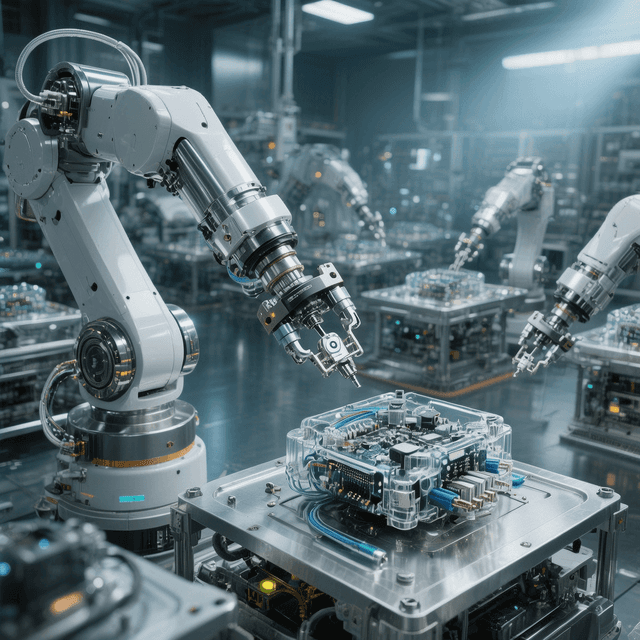
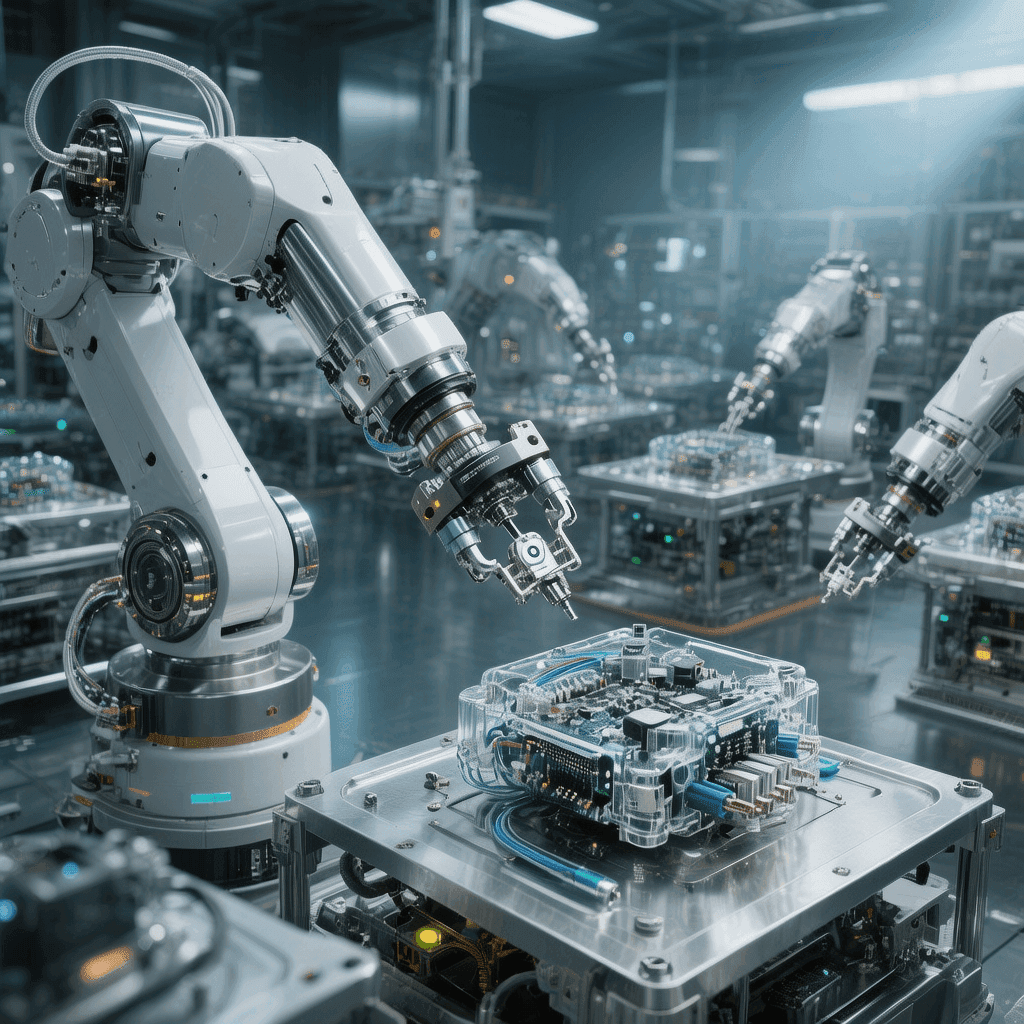
This month’s spotlight focuses on “dark factories,” where lights can be dimmed—or even switched off entirely—because robots, automated guided vehicles, and AI-driven systems maintain the rhythm of production without interruption. According to insights gathered in the new issue, companies like Stryker and Siemens Healthineers are now piloting 24/7 automated lines for critical components, aiming to improve both throughput and product consistency.
The appeal? Unmatched round-the-clock efficiency. But the human cost—job displacement and the need for rapid workforce reskilling—forms the “discontents” side of the equation, as noted by several executives interviewed in the magazine.
The Push Factors: Market Pressures and Regulatory Change
The March 2024 update to FDA’s quality system regulation sparked renewed urgency for digital-enabled compliance, with many organizations integrating real-time monitoring and data collection to support their filings. The Medical Technology issue references the recent FDA guidance (updated yesterday) that clarifies requirements for electronic production records—an area where automation can reduce errors but also faces cybersecurity scrutiny.
The latest financials from industry leaders, released in the past 24 hours, reinforce the momentum. Medtronic, for instance, attributed a notable uptick in margin improvements to early-stage automation investments on the shop floor. Meanwhile, start-ups at this week’s Medtech Innovator Asia Pacific event showcased new robotic QC systems designed specifically for small-batch device firms that might otherwise be left behind.
Balancing Promise and Pitfalls: Real-World Perspectives
Industry voices in Medical Technology’s cover feature stress that automation’s benefits—greater efficiency, fewer product recalls, and faster response to public health needs—are transformative. But they warn that successful adoption demands more than simply swapping out workers for machines.
- Training and upskilling remain major stumbling blocks; experts cited in the edition point to a 40% gap between new technical roles created by automation versus qualified personnel available.
- Concerns about “black box” AI systems, raised in several panel discussions held in the last 24 hours at the annual MDMA Policy Forum, highlight the ongoing tension between transparency, risk management, and innovation.
Comparisons to past automation booms—such as those in automotive and electronics manufacturing—reveal medtech’s unique challenges related to regulatory scrutiny and patient safety, making its journey far from straightforward.
Opportunities at the Edge: Integration and the Small Manufacturer’s Dilemma
The new edition shines a light on innovations in modular automation, now hitting the market specifically to address the needs of smaller and mid-sized device makers. Yesterday’s announcement by Boston-based BrightLabs, launching a plug-and-play robotics suite, exemplifies how the field is shifting to more accessible, scalable tools—leveling the technological playing field.
Still, the magazine also documents rising pain points such as capital cost, cybersecurity, and integration headaches, especially as more firms seek to retrofit legacy production lines with AI and IoT capabilities.
What Automation Means for Medtech Professionals and Businesses
- Companies will need to invest proactively in workforce development to bridge technical skills gaps created by automation.
- Regulatory compliance is set to become more seamlessly integrated with production, but cyber risk management and transparency will demand constant vigilance.
For both established manufacturers and start-ups, the message is clear: adaptation will be a defining factor of success in the coming era of automated medtech production.
Industry Outlook: Growth, Risks, and the Road Ahead
Looking forward, market analysts and experts expect automation’s role in medtech manufacturing to only deepen. While economic factors and regulatory adjustments may cause some turbulence, most forecast sustained investment in AI-powered manufacturing and supply chain resilience.
Notably, the past 24 hours saw several OEMs announce expanded automation partnerships, signaling that the “dark factory” is evolving from a concept into a market standard. However, risks associated with workforce displacement, ethical AI implementation, and robust cybersecurity protocols are unlikely to dissipate soon.
Conclusion & Reader Takeaway
The latest issue of Medical Technology provides a timely look inside medtech’s dark factory shift—capturing both the optimism around automation’s potential and the complex challenges arising in its wake. As the push for digital transformation accelerates, medtech professionals and companies have little choice but to confront the realities of a future where machines and humans coexist in complex new ways.
Staying informed—as new guidance, technologies, and real-world outcomes emerge—will be essential for anyone navigating this next chapter of medical device manufacturing.