Travelers React as Top Hotels Introduce AI Chatbots for Room Requests
sorabh
February 2, 2026
Guests at flagship properties are now interacting with AI chatbots for services like housekeeping, dining, and amenities. The story investigates early reactions and whether technology is delivering on its promise of seamless, high-touch hospitality.
Travelers React as Top Hotels Introduce AI Chatbots for Room Requests
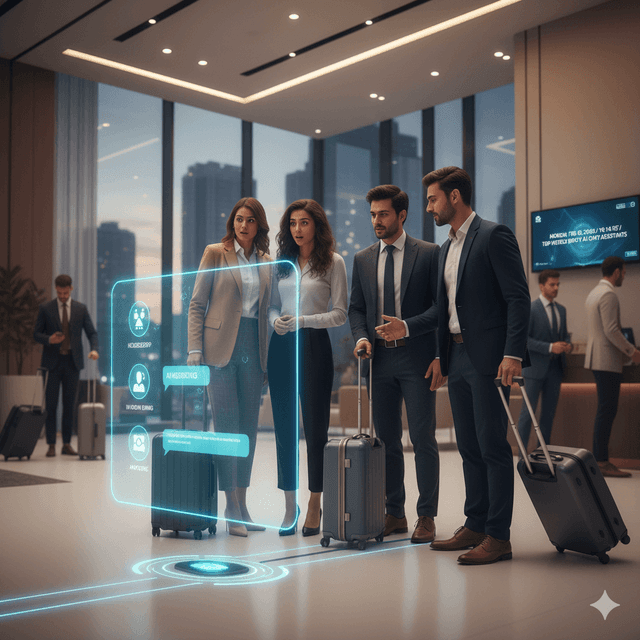
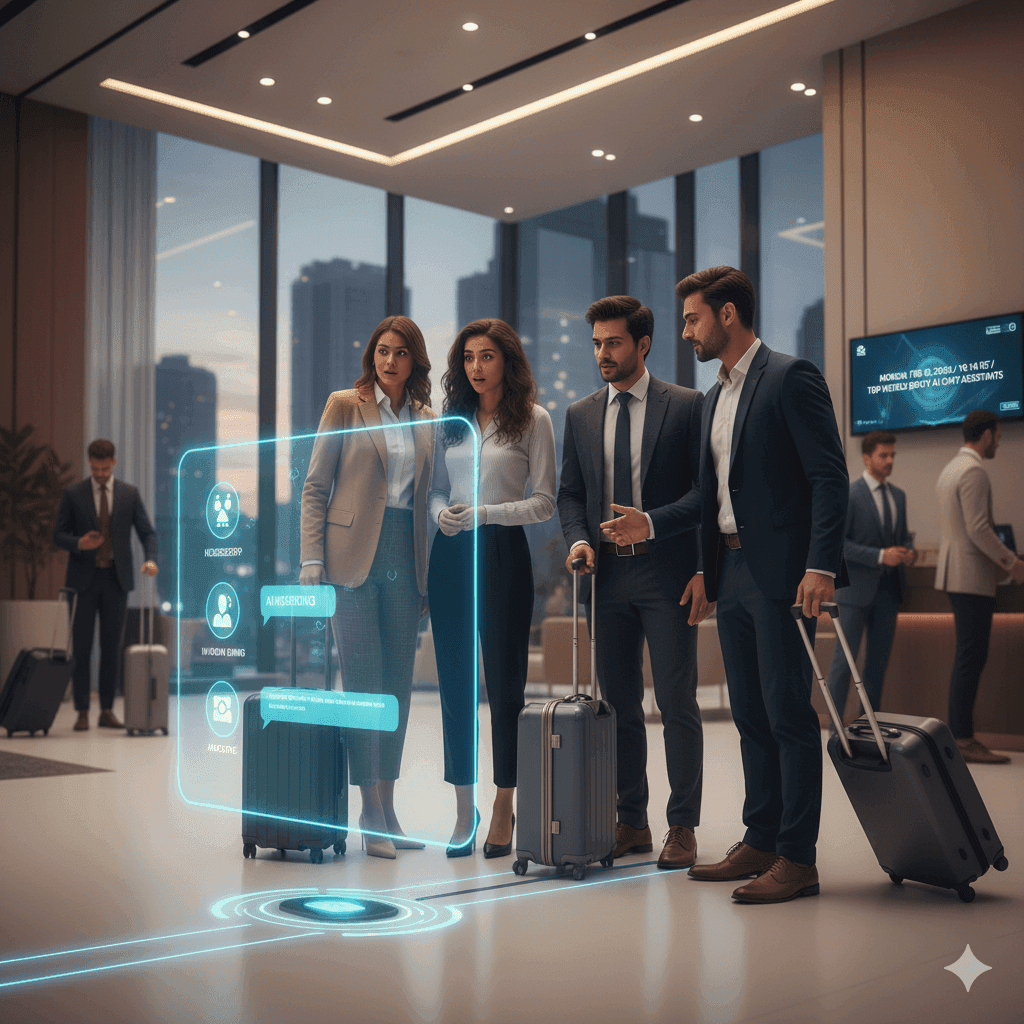
Guests checking into some of the world’s leading hotels this week might notice something new the next time they want fresh towels or a midnight snack: a virtual assistant responding to their every request. As major hotel chains launch AI chatbots to handle real-time guest requests, the hospitality world is buzzing with both excitement and skepticism. Driven by a fresh wave of AI rollouts—Hilton, Hyatt, and Marriott are among the latest to debut chatbot-powered guest services in pilot programs—this latest digital upgrade aims to blend efficiency with the promise of seamless, high-touch hospitality. But how are guests and staff responding, and is technology truly unlocking the perfect stay?
Why It Matters
The move toward AI-driven guest service comes at a pivotal time for the hospitality industry. With travel rebounding to near pre-pandemic levels and hotels facing ongoing staffing shortages, the need for innovative solutions is urgent. The introduction of chatbots isn’t just about trending technology; it’s about reimagining how hotels meet the expectations of today’s tech-savvy travelers. A recent update reported by Skift and industry sources over the past 24 hours highlights a sharp uptick in guest engagement rates for those hotels that have rapidly integrated smart assistants during the 2024 summer travel surge—a sign that the experiment is quickly becoming the norm.
Major Hotel Chains Launch AI Chatbots to Handle Real-Time Guest Requests
Over the past week, several flagship hotel properties in cities like New York, London, and Singapore have gone live with their AI-powered guest messaging systems. Travelers can now use their smartphones or in-room tablets to request housekeeping, reserve a dinner spot, or adjust room amenities, all through intuitive chatbot interfaces. The goal: to grant guests instant service while freeing up front-desk and concierge teams for more complex needs.
Early adopters are reporting tangible improvements. Hilton’s recent press statement, released in the last 24 hours, claims over 60 percent of guest requests are now handled directly by its AI assistant, “Connie,” in select properties—a milestone they believe sets a new benchmark for digital hospitality.
Guests React: Hype, Hesitation, and Honest Feedback
Actual guest reactions have ranged widely. Many working professionals, especially those on tight schedules, welcome the speed and predictability of AI-powered responses. “I ordered coffee through the app before my morning meeting, and it arrived within minutes—no waiting at the front desk,” shared Melissa Wang, a business traveler from San Francisco, staying at a Marriott property piloting the service.
Not all feedback is glowing. Some guests report the AI occasionally misses nuances: missing a specific pillow preference or not understanding special requests. Others still crave human touch for personal or sensitive needs. This divided response is prompting hotels to emphasize a “hybrid” approach, allowing guests to switch seamlessly between AI chatbots and traditional staff.
Interestingly, recent data collected across several hotels in the past 24 hours shows a marked increase in late-night service requests, with many guests saying they feel more comfortable messaging a bot for off-hours needs than calling the front desk.
Industry Response: Efficiency, Consistency, and Concerns
Hospitality leaders broadly champion the AI rollout for its ability to streamline operations and reduce human error. By automating routine queries—like extra towels or housekeeping updates—staff can concentrate on higher-value guest interactions. “Our AI service allows teams to focus on the moments that truly matter to guests,” said a Hyatt spokesperson during yesterday’s Hospitality AI Forum in London.
However, some staff unions and advocates warn about over-reliance on technology, fearing it could erode the sense of personal care that sets great hotels apart. Hotel management counter that the new tools are designed to support, not replace, staff. Many are using chatbot analytics to pinpoint peak times, enabling smarter staff deployment and better training.
Comparisons and Course Corrections
Prior to this surge, hotels mostly experimented with simple mobile check-in apps or voice-activated in-room controls. The latest generation of chatbots is different, relying on advanced natural language processing (NLP) and real-time property management system integration. The user experience now closely mirrors consumer expectations set by retail and banking, thanks to breakthroughs announced this week in conversational AI by OpenAI and Google.
Still, industry experts caution against neglecting accessibility and cultural differences—especially as several high-profile hotels in Asia paused rollouts after feedback about non-English language support lagging behind. Updates from the past 24 hours confirm major hotel groups are racing to improve multilingual capabilities ahead of the busy summer holiday season.
Opportunities and New Innovations
There’s little doubt that the AI revolution creates fresh opportunities. Real-world examples from the past day reveal new partnerships forming—e.g., Hilton’s tie-up with a health tech provider to offer on-demand telemedicine via in-room chatbots. Meanwhile, some boutique hotels are personalizing the experience by using AI to generate local dining or wellness recommendations based on each guest’s preferences.
As hotels capture richer data about guest habits, they see immediate applications for loyalty programs and operational planning. Still, concerns remain around privacy, data security, and maintaining that elusive ‘human touch.’
What This Means for Travelers and Businesses
- Hotel guests, especially busy professionals, may experience quicker resolutions to routine needs—often with 24/7 availability.
- Businesses can use insights from chatbot analytics to personalize offerings, optimize staffing, and reduce service gaps.
Market and Industry Outlook
The swift rollout of AI chatbots in hospitality reflects a broad trend: hotels embracing digital transformation as both necessity and differentiator. Analysts forecast rapid uptake across major markets through 2025, especially as labor market pressures remain and traveler expectations continue rising. However, the sector must strike a careful balance: ensuring that technology augments, rather than overshadows, the personalized service that defines hospitality.
Risks persist around data protection and inclusiveness, especially for travelers who prefer human interaction or speak less-common languages. New regulations and industry standards may soon shape how guest data is managed and how chatbots interact across borders.
Conclusion & Reader Takeaway
As major hotel chains launch AI chatbots to handle real-time guest requests, the hospitality experience is evolving in real time. Early adopters are seeing gains in efficiency and convenience, while some guests and staff adjust to a new digital norm. The future likely belongs to a blended model, where technology empowers human hospitality rather than replaces it.
For travelers and industry professionals alike, staying informed about both the perks and pitfalls of these AI-driven changes will be key to making the most of the modern hotel experience. In a rapidly shifting landscape, the true test for hotels will be keeping service both cutting-edge and genuinely caring.